

Dear future employer
A powerful letter from a mother to her sons’ future employer, urging businesses to see beyond assumptions and embrace the value, talent and diversity people with Down syndrome bring to the workplace.
When your son or daughter turns 18, the support system changes. Adult social care follows different laws, criteria and funding rules, and many families tell us they’re not sure what their young adult is entitled to or how to ask for it.
We’ve partnered with AccessAva, a digital legal support tool from Access Social Care, to help you understand your rights under the Care Act 2014. It’s available 24/7 and guides you step by step, from checking eligibility to requesting an assessment or writing to your local authority.

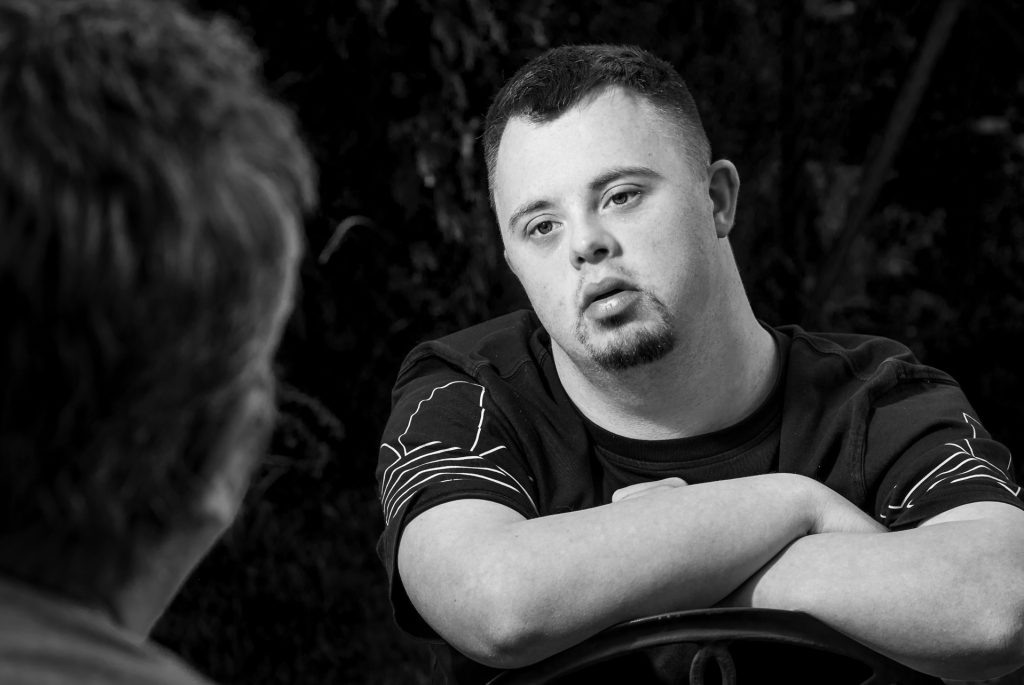

In this free webinar, we explore supported living and what it can mean for people with Down syndrome as they move into adulthood. The session explains what supported living is, how it differs from other housing and care options, and how support is tailored to each individual. It covers levels of independence, the role of support staff, funding and local authority involvement, and what families can expect as they plan for the future.
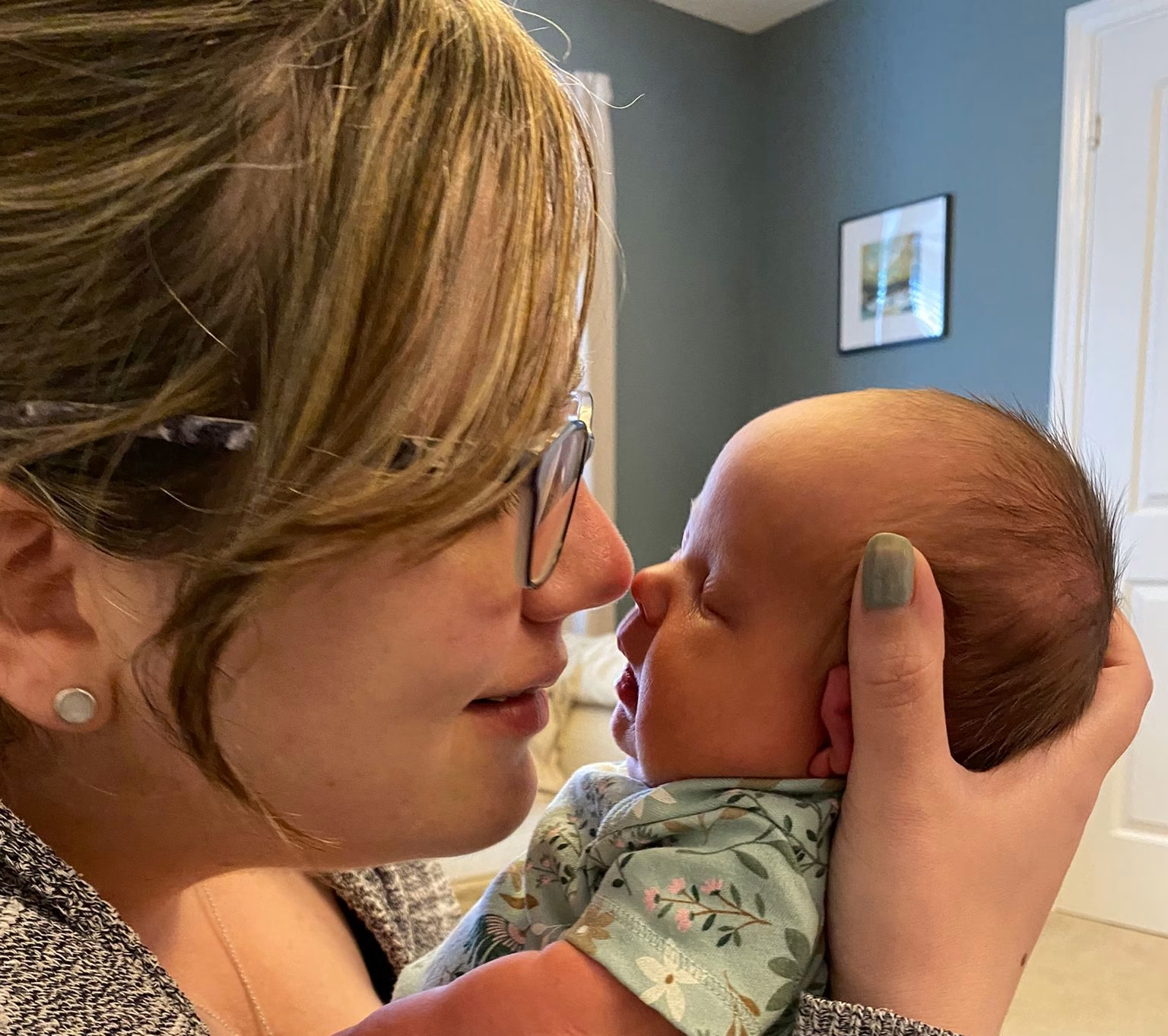
A powerful letter from a mother to her sons’ future employer, urging businesses to see beyond assumptions and embrace the value, talent and diversity people with Down syndrome bring to the workplace.
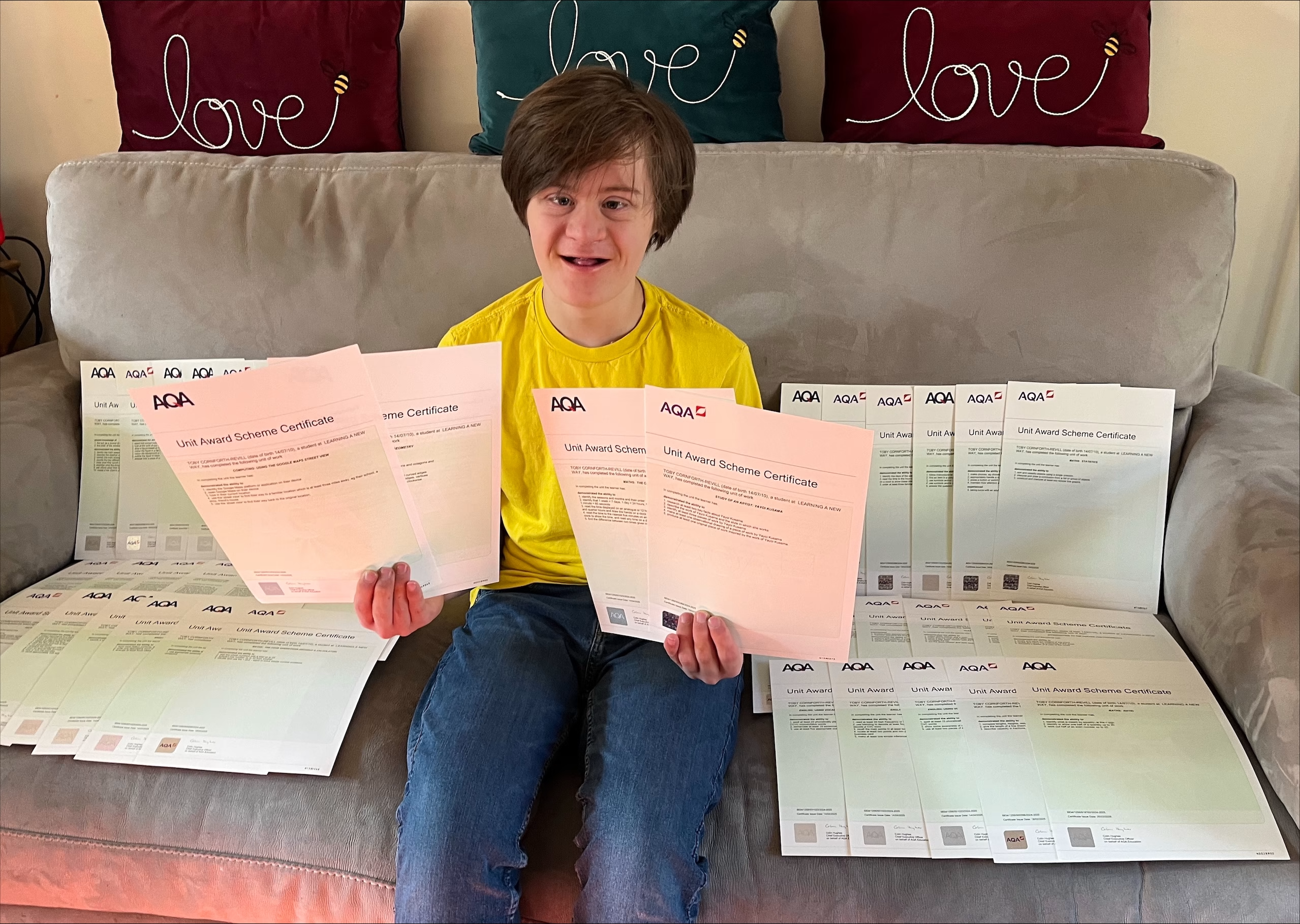
Justine, PADS parent and mum of Toby, explains how she discovered the Learning a New Way AQA Unit Award Scheme Centre and has been using them to progress Toby’s education.

The Mental Capacity Act 2005 empowers individuals with Down syndrome to make their own decisions and ensures their rights are protected when they can’t. This guide helps families understand the Act and plan for their loved one’s future.

Planning for the future means ensuring your loved one with Down syndrome has the right support in place. Lasting Powers of Attorney (LPA) let a trusted person make decisions if your child loses capacity, while Deputyship provides a solution if no LPA is in place. In this post, we explain both options and how to protect your child’s best interests.
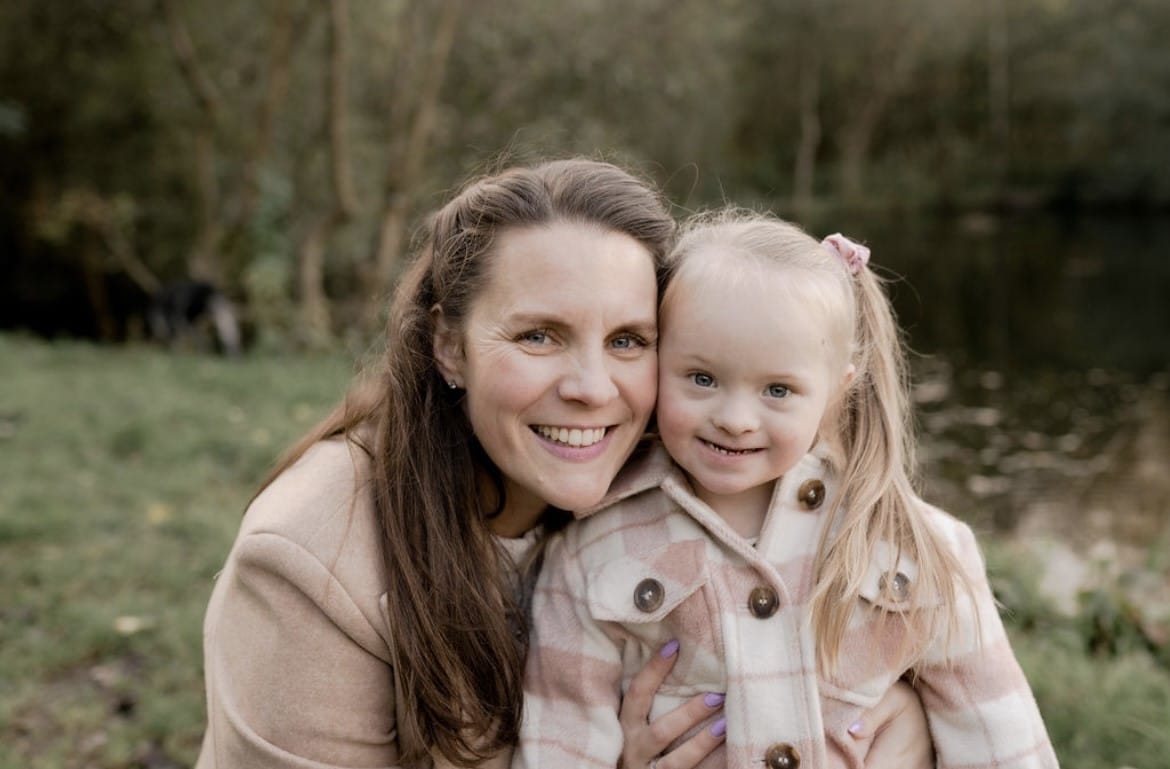
Trusts are a powerful way to protect the financial future of a loved one with Down syndrome. They allow families to provide for their child’s needs while safeguarding means-tested benefits and shielding them from financial risks. In this blog, we explain how Trusts work, the types available, and why creating the right Trust can provide peace of mind for years to come.

Planning for the future is essential for families of people with Down syndrome. A well-drafted Will doesn’t just distribute your assets – it protects your child’s inheritance, safeguards their means-tested benefits, and shields them from financial risks. In this post, we break down why a simple Will may not be enough, how specialist Trusts can help, and the steps you can take to provide lasting security and peace of mind for your loved one.