

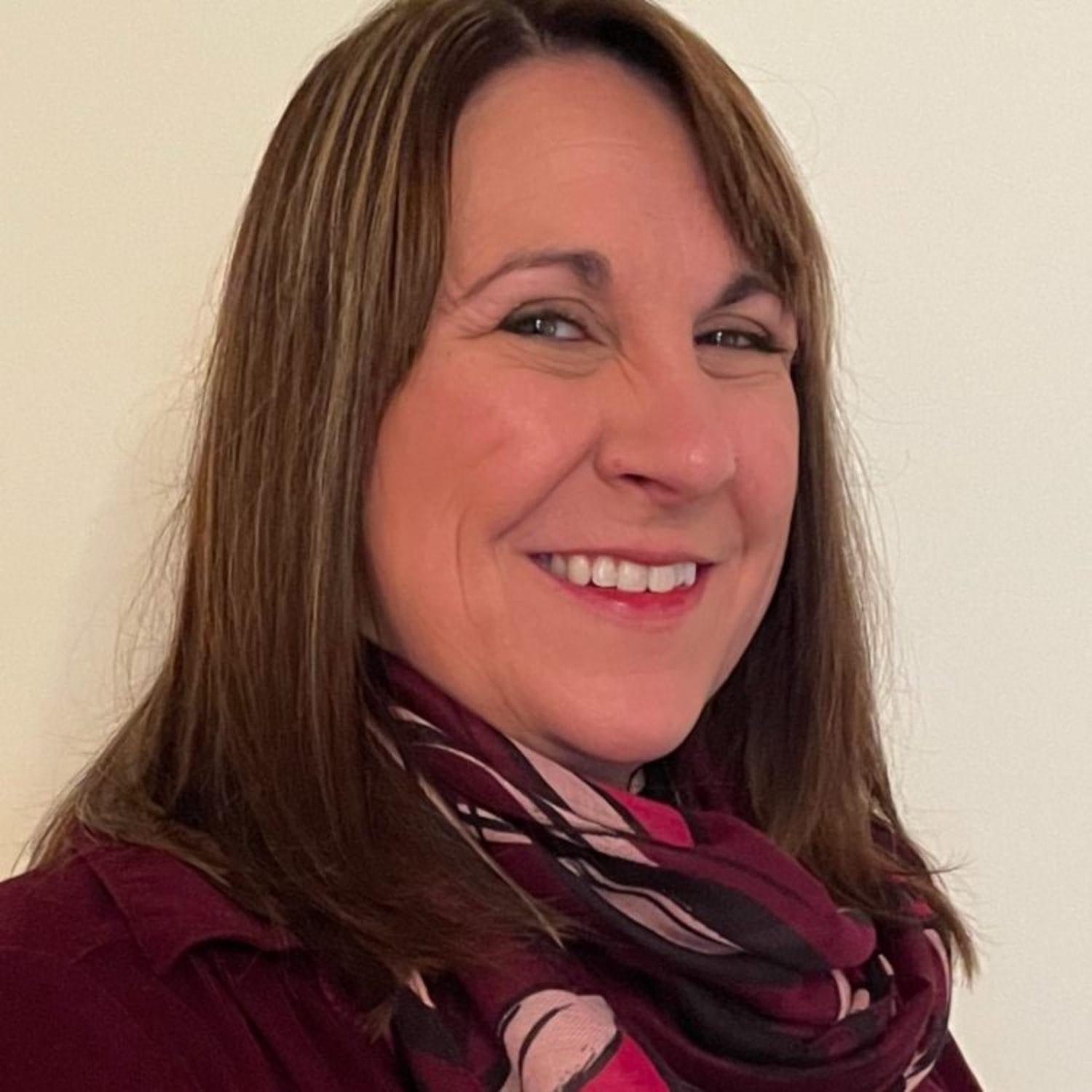

- by Dr Rebecca Baxter
For early years professionals, knowing how to promote positive behaviour and respond (or not respond) to unwanted behaviour can make a huge difference. This article outlines key approaches to encourage positive behaviour and create a successful learning environment where every child can thrive.
Social strengths and communication
Children with Down syndrome are naturally social and eager to connect. However, speech and language difficulties can make this harder. Effective strategies to build communication include:
- Supporting positive communication from the start by using signs, visuals, and/or simple words.
- Praising attempts at communication including speech, gestures and the use of communication supports, no matter how small.
- Modelling the use of communication supports and responding to these to reinforce communication attempts.
By focusing on communication, you can reduce frustration and give children the tools to interact successfully.
Teaching the wanted behaviour
Children quickly learn what gets adult attention, and that of their peers too. Make sure it’s the positives that stand out.
- Teach expected behaviours and support with visuals e.g., a social story to look at during circle time
- Model and celebrate sharing, waiting, or helping with specific praise (“You sat with your legs crossed, well done”).
- Reinforce wanted behaviour consistently across staff and settings.
Just like their peers, the child will see that positive actions bring connection and praise, so are more likely to repeat them.
Avoiding reinforcement of unwanted behaviour
When unwanted behaviour occurs, the key is not to reinforce that behaviour. We don’t want to teach that the unwanted behaviour is a way to get us to come and talk to you.
- Avoid giving attention to unwanted behaviour – avoiding eye contact or talking about the behaviour you don’t want to see.
- Give attention to the behaviour you want to see, redirecting the child and praising positives as soon as possible.
- This teaches children that attention comes from positive behaviour, not from those unwanted behaviours.
Using visuals and routines
Predictability helps children feel safe, reduces anxiety and supports independence and success. You can facilitate this by:
- Using visual timetables to show what is happening next.
- Offering choices with pictures or objects to give children a sense of control.
- Keeping routines consistent and preparing children for changes.
Visual supports make expectations clear, support memory difficulties and help children manage transitions more smoothly.
Observing and adapting
Every child is unique, so observation is key:
- Observe when behaviours occur and when they don’t, to identify patterns.
- Consider why the behaviour occurs – is it always in the same situation, with the same person, when the child is not sure what to do, when they are not involved and want to be e.g., in play, interaction, communication.
- Teach a replacement behaviour. If you want the child to stop a behaviour, you need to teach them something else to do instead. This is often introducing a new communication support and teaching the child how to use it effectively.
By considering the child’s needs, adapting the environment and teaching wanted behaviours, you can prevent difficulties before they arise.
A final word
Supporting positive behaviour in young children with Down syndrome is about being proactive; supporting communication difficulties and teaching wanted behaviours. With the right strategies in place, early years practitioners can help children feel secure and flourish in nursery. For more practical guidance, resources and support, sign up to our Early Years Development Programme today.
Share this post
Facebook
Twitter
WhatsApp
LinkedIn
Email
Author
 Director of Education and Speech and Language Therapy
Dr. Rebecca Baxter as our Director of Education and Speech and Language Therapy. Becky is a speech and language therapist who specialises in Down syndrome and has worked with babies through to young adults with Down syndrome. Becky is also involved in a number of research projects across speech, language and education issues associated with Down syndrome. Becky completed her PhD in 2023 at University College London, which involved developing and evaluating a language intervention for children with Down syndrome. Becky is passionate about supporting speech and language therapists and is currently chair of the Down Syndrome Clinical Excellence Network. She has delivered training to speech and language therapists across the UK and internationally.
View all posts


