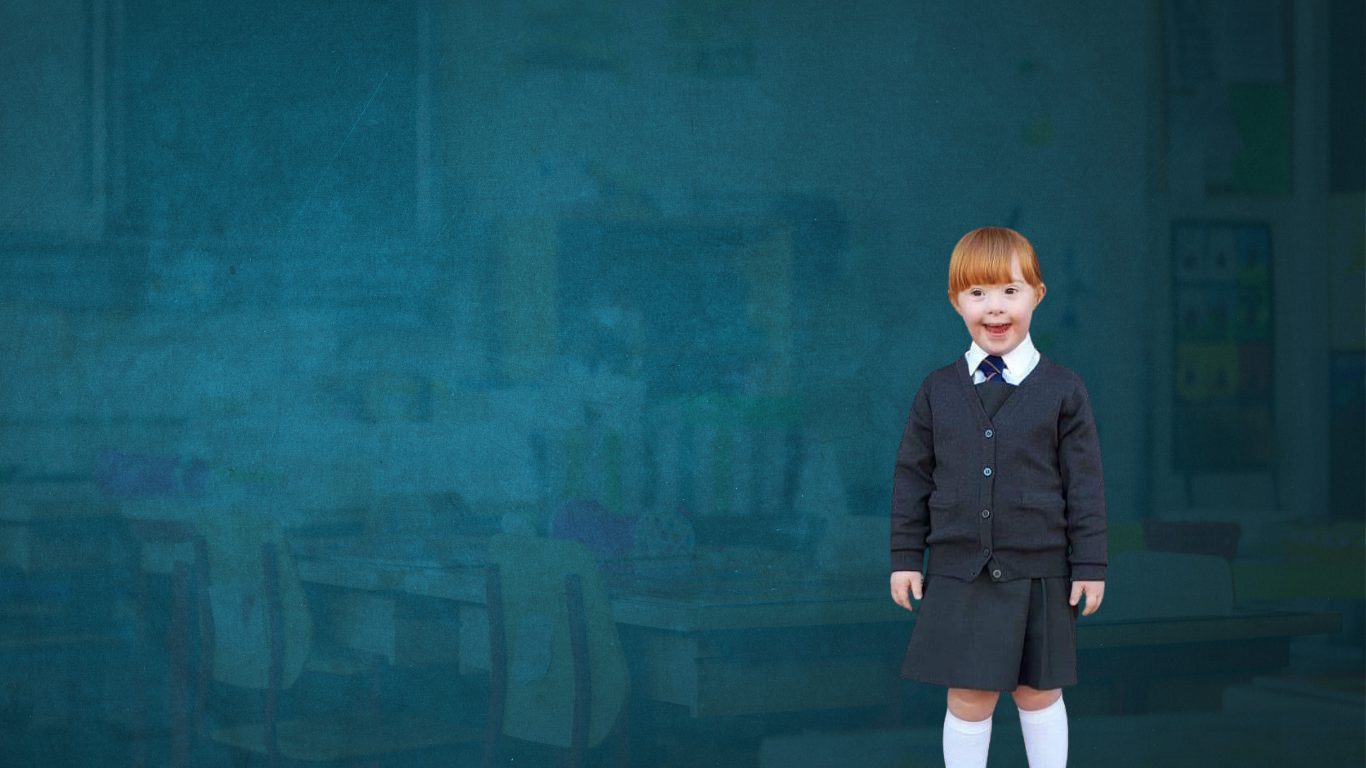
How to support self‑care skills in pupils with Down syndrome
Practical classroom strategies to support self-care skills in pupils with Down syndrome - from adapting the environment and tasks to building confidence and independence.
Read articlePress releases
Practical classroom strategies to support self-care skills in pupils with Down syndrome - from adapting the environment and tasks to building confidence and independence.
Read articlePhysical development is a huge part of school readiness, and the classroom environment plays a powerful role in shaping it. Pupils with Down syndrome benefit from extra opportunities to build strength, balance, coordination and body awareness.
Read articleSupport pupils with Down syndrome in PE and breaktimes. Create inclusive, engaging environments that build confidence, participation and social skills.
Read articleDiscover picture books and stories that feature children with Down syndrome, alongside simple ideas for using them in school and nursery classrooms.
Read articleExplore strategies to promote positive behaviour for pupils with Down syndrome in primary schools, focusing on accessibility, communication and independence.
Read articlePractical classroom strategies to support numeracy for pupils with Down syndrome, focusing on language, memory, counting, number sense, time and money.
Read articlePractical strategies to build handwriting and tool-use skills for pupils with Down syndrome. Learn how environment, tools and activities support confidence and success.
Read articleDr Becky Baxter shares four key strategies to develop reading and writing skills in pupils with Down syndrome. Learn practical ways to build sight words, teach phonics, support comprehension, and improve handwriting.
Read articleDiscover practical strategies to support vision and hearing in pupils with Down syndrome. Learn how simple classroom adjustments can reduce barriers, boost confidence, and help every child thrive.
Read articleDiscover targeted strategies for teaching pupils with Down syndrome. Build on their learning strengths, address challenges, and create inclusive classrooms where every child can thrive.
Read article