
Practical strategies to support physical development in your early years setting
- by Donna Murphy BSc(Hons) Physiotherapy HCPC
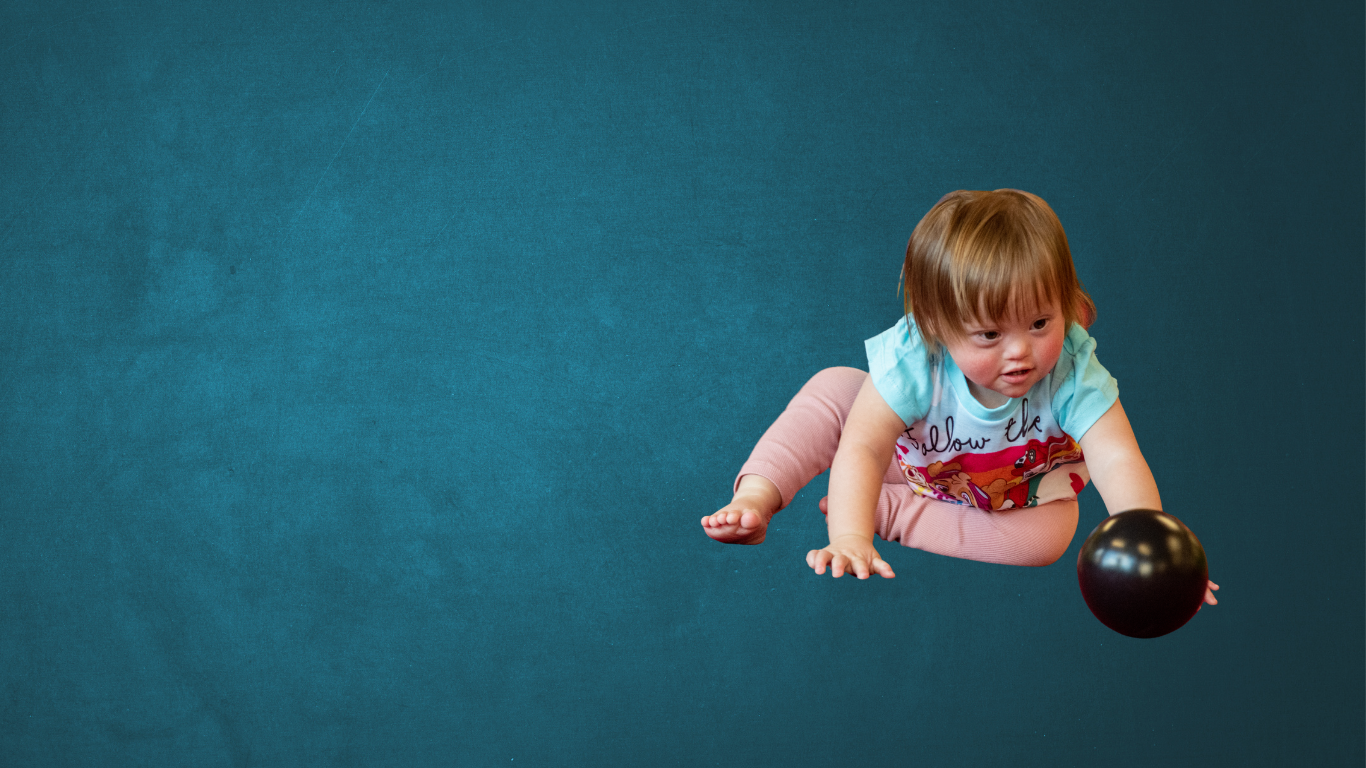
For young children with Down syndrome, early motor experiences are especially important because they help strengthen the brain–body connection and support later skills such as sitting, crawling, walking, feeding and early communication. In this blog specialist Physiotherapist Donna Murphy outlines practical strategies to help you feel confident supporting physical development in your setting.
Understanding why early movement matters
During the first five years, the brain develops at an extraordinary pace. The genes provide a blueprint for the brain, but the environment carries out the construction. Everyday experiences – what a child sees, hears, touches and moves through – help build the neural pathways they need for learning.
Many children with Down syndrome experience low muscle tone or hypermobility, which can make movement more effortful. But with the right support, you can help them build strength, stability and confidence through play.
Encourage a variety of positions
Children need to experience movement in many different ways. This helps develop head control, core strength and body awareness. Try offering:
- Tummy time using a rolled towel or cushion under the chest.
- Side‑lying for play and reaching.
- Back‑lying with toys overhead to encourage kicking and midline play.
- Supported sitting on your knee or with hands around the pelvis.
Small changes, such as raising a child’s bottom on a cushion, can help them sit more comfortably and maintain a flatter back.
Build strength from the centre out
Physiotherapists always focus on stability before mobility. You can support this through simple, playful activities such as:
- Baby sit‑ups with gentle support behind the shoulders.
- Row the boat side‑to‑side and forward‑back.
- Plank play over your knee to encourage weight‑bearing through the arms.
- Feet‑to‑hands play to strengthen the core and prepare for rolling.
These activities help children develop the trunk and shoulder stability needed for later fine motor skills.
Support early rolling and transitions
Rolling is a key milestone that helps children learn how to move between positions. You can try:
- Guiding the pelvis like a steering wheel to help a child roll onto their side.
- Placing toys near the waist rather than the head to encourage chin‑tucking.
- Bringing children up from lying through side‑lying during nappy changes.
These small routines build strength and teach the movement patterns needed for sitting.
Make tummy time enjoyable
Tummy time is essential for developing head control, shoulder stability and early crawling skills. To make it easier:
- Use a slope or cushion to reduce the effort of lifting the head.
- Place toys on a raised surface so they’re easier to reach.
- Try gentle rocking, singing or using a sensory blanket for motivation.
Even short bursts throughout the day make a difference.
Use sensory input to support engagement
Children with Down syndrome benefit from extra sensory stimulation to keep them engaged and motivated. You can try:
- Visual tracking games.
- Gentle rocking or bouncing.
- Tactile play with hands and feet.
- Giving opportunities to move freely rather than being contained.
- Removing socks if possible.
Targeting all the senses helps strengthen the vestibular and proprioceptive systems, which are essential for balance and coordination.
Choose supportive seating
Good alignment helps children focus, play and use their hands effectively. Look for:
- A 90/90/90 position (hips, knees, ankles).
- Foot support.
- A firm, upright backrest.
- Cushions or inserts for additional trunk support.
Floor seats or high-chairs with adjustable features can be helpful when used thoughtfully.
Bringing it all together
Supporting physical development requires curiosity, patience and playful opportunities for movement. Every time you help a child shift their weight, reach for a toy or explore a new position, you’re strengthening the foundations for communication, independence and learning. With the right support, children with Down syndrome can build the skills they need to thrive.
Looking for more information and support?
If you’d like more practical ideas and support, our Early Years Development Programme is here to help. Sign up today to access the training, resources and ongoing support.
Share this post
Facebook
Twitter
WhatsApp
LinkedIn
Email
Author

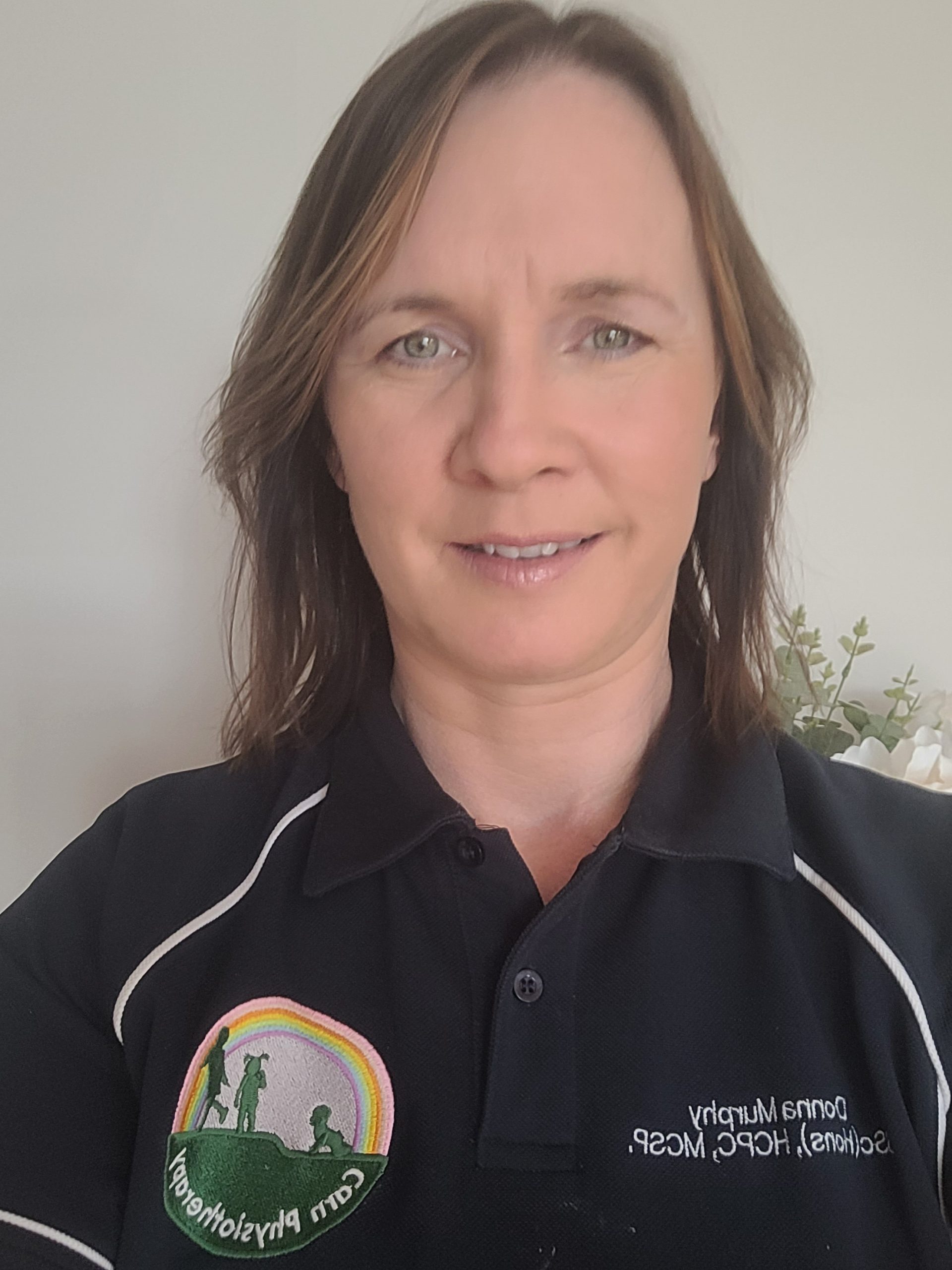
Donna Murphy is a physiotherapist with 25 years of experience and a mum to a child with Down syndrome. Bringing both lived experience and specialist insight into her work, Donna champions the importance of early movement for babies and young children with Down syndrome.
View all posts